



Most punters reckon the difference between the two wheels comes down to a single zero, but the real choice sits in how the maths, the bankroll, and the table limits line up with your own discipline. I’ve spent years watching automated sports workflows and exchange APIs strip the noise out of volatile markets, and that same Olympic-level discipline applies here: you don’t chase a streak, you size the bet, you respect the edge, and you walk before the session turns. If you’re weighing european roulette or american roulette to win more, the answer isn’t a slogan – it’s a decision you make before you drop a chip.
What the zero actually costs you over a session
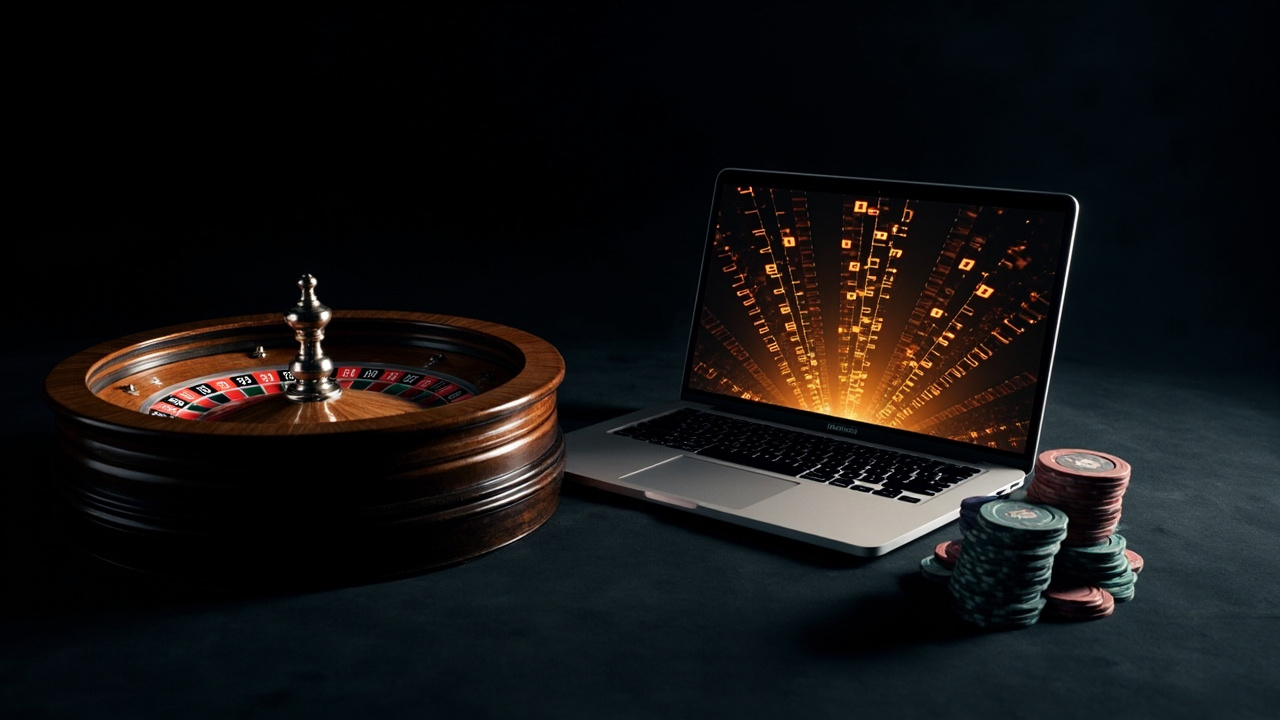
The American wheel carries both a single and a double zero, which pushes the house edge to about 5.26 percent on most straight-up and even-money bets. The European layout drops that extra pocket, leaving a single zero and a house edge closer to 2.7 percent on the same wagers. That gap sounds small on paper, but over a hundred spins it compounds into a meaningful difference in how long your bankroll survives and how often variance swings against you. I’ve built prediction-market infrastructure that routes orders through thin liquidity, and the lesson translates cleanly: when the built-in friction is higher, you need tighter position sizing or you bleed out during a normal cold patch. European roulette or american roulette to win more isn’t a mystery – it’s a question of whether you’re willing to pay that extra percentage for the faster tempo and the wider bet menu the American table offers.
A Geelong punter I spoke to last arvo was tracking his evening sessions at a local club, logging every spin and every colour bet against a fixed staking plan. He switched from the double-zero layout to the single-zero table once he noticed his even-money runs were getting chewed up faster than the maths suggested, and the session length stretched out without him changing his bet sizes. That’s the practical bit: the wheel doesn’t change your skill, but it does change how much room you have to recover when a short run goes the wrong way.
How the casino handles your cash when the wheel slows down
The real test of any table isn’t the spin – it’s what happens when you decide to move money in or out of the cashier. A decent operator lets you load up in Australian dollars through a handful of familiar methods, keeps the verification step straightforward, and processes withdrawals without hiding behind vague “security checks” that drag on for days. I’ve audited iGaming exits where the payment flow was tighter than the gaming floor itself, and the pattern is consistent: the sites that treat the cashier as a core product, not an afterthought, keep punters around because the friction disappears when you actually want your funds back. When you’re comparing european roulette or american roulette to win more, the wheel odds matter, but the deposit and withdrawal flow matters just as much because a slow or opaque cashier turns a reasonable edge into a headache.
You want a cashier that shows you the limits up front, lets you toggle between currencies without sneaky conversion markups, and gives you a clear path through identity checks before you’re trying to pull funds out after a good run. Some platforms still treat verification like a gate they throw up at the worst possible moment, which is the opposite of how a properly run exchange API handles settlement. If you’re playing through a site like in elvis frog, you should be able to see the method options, the processing window, and any per-transaction limits before you commit, not after you’ve already had a winning session. The Aussie pub and RSL pokies culture runs on instant, face-to-face cash, and online play never quite matches that rhythm, so the closest thing to a smooth experience is a cashier that behaves like a normal transaction, not a puzzle.
The betting decisions that actually hold up over time
The smartest move on either wheel is usually the boring one: pick a stake that fits your bankroll, pick a bet type you understand, and stop pretending the next spin owes you anything. Even-money outside bets on European roulette give you the cleaner hit rate, while the American table’s extra pocket makes those same bets cost you more over time, so the choice is really about whether you value the slower grind or the faster, higher-variance action. I’ve watched automated workflows in sports betting get tuned to cut emotional entries out of the loop, and the same principle applies here: if you’re sizing each spin relative to a fixed bankroll and tracking your results, you’re running a process, not a mood.
A mate running a small Geelong trades business told me he treats his roulette sessions like a short daily ledger – he sets a loss limit, sets a target, and closes the book when either one hits, which keeps a casual arvo session from turning into a week-long chase. That kind of discipline doesn’t guarantee a win, but it does keep the maths on your side long enough to make the session worth your time. If you’re serious about european roulette or american roulette to win more, the wheel is bigbrother.thenet.ng only half the equation; the other half is how you manage the entry, the stake, and the exit.
Frequently asked questions
Does the single zero really make that much difference?
Yes, because the house edge on a European wheel sits around 2.7 percent on most standard bets, while the American wheel’s double zero pushes that closer to 5.26 percent. Over a short session the gap can feel negligible, but over repeated spins it changes how quickly your bankroll erodes during a normal losing run. The single zero doesn’t turn the game into a winning proposition, but it does give you a cleaner mathematical footing if you’re playing even-money or outside bets.
Should I stick to outside bets if I want my money to last longer?
Outside bets like red or black, odd or even, and the column or dozen wagers hit more often than a straight-up number, which means your bankroll tends to survive longer through ordinary variance. The tradeoff is a smaller return per hit, so you’re trading bigger swings for a steadier rhythm. If your goal is to stretch a session and keep the results readable, outside bets on a European wheel are usually the more sensible starting point.Thenewdaily
What’s the most important thing to check before I put money in?
Check the cashier flow first – look at the deposit methods, the currency options, the withdrawal window, and the verification steps – because a clean table means little if moving money in or out turns into a delay. You also want to see the table limits and any staking rules up front so you know the session fits your bankroll, not the other way around. A site that handles the payment side like a normal transaction is worth more to a regular player than a flashy lobby with a clunky cashier.